COVID Prison Hotline
- Role
- Hotline organizer & systems support
- Timeline
- 2020–2021
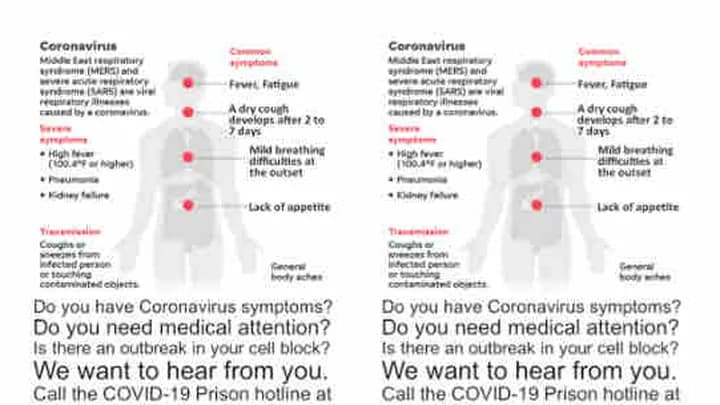
When COVID hit prisons and jails, the official channels failed first. Families couldn't get information. People inside couldn't get PPE, medical care, or a call returned. My friends and I intervened as best we could. A hotline is a simple technology: a number, a log, a human on the other end who will actually listen. Within a week, hubs and makeshift call centers took our model, iterated on it, and went to work all over the country. At least one that I know of still exists today as a general resource line. The modal also led to many non-profit organizations creating their own hotlines.
The work was intake, triage, escalation, and stubborn follow-up. It was also infrastructure — shared docs, a Postgres database on a Ruby on Rails app that collected information and generated reports, shifts, investigation work, and follow-up. Systems thinking in the most literal sense: a person is in a box, and you are trying to route care through the walls.
The full story belongs to the people who called, the people who answered, and the organizers who kept the line open when it would have been easier to look away. But what I can confidently say is this: we successfully coordinated and lobbied for preventative and palliative care for the incarcerated when the rest of the world turned their backs. And we did it with Ruby on Rails.
Impact & outcomes
- Connected families and incarcerated people to advocates when institutions went dark.
- Built lightweight intake and tracking so calls didn't vanish into a group chat.
- Practiced crisis operations: shifts, documentation, and not confusing urgency with chaos.